



Research Background and Challenges
Hyperpolarization-activated and cyclic nucleotide-gated (HCN) channels are encoded by four human genes (*hcn1-4*), expressed extensively in a cell-type-specific manner, distributed in the heart and nervous system. Activated by membrane hyperpolarization and cyclic nucleotides, they constitute the so-called pacemaker current I. The pacemaker current generated by HCN channels forms the electrophysiological basis for spontaneous rhythmic activity in the heart and neurons. Therefore, loss of HCN4 function is directly linked to diseases such as symptomatic sinus bradycardia and sinoatrial node dysfunction. The only current clinical drug, ivabradine, is a channel blocker and lacks subtype specificity, making it unsuitable for treatments requiring enhanced HCN4 function. The clinical need is thus urgent.
The technical bottleneck of this study was developing tools or drugs that could specifically enhance (rather than inhibit) HCN4 function, act extracellularly, and avoid interfering with complex intracellular signaling pathways.
Research Methods and Technical Highlights
Screening Strategy:
This study employed yeast display technology to screen a synthetic nanobody library (non-animal immune source). Magnetic-activated cell sorting (MACS) and fluorescence-activated cell sorting (FACS) were used for selection.
Conformation-Specific Screening:
Open-conformation HCN4 protein was used as the "positive selection" antigen, and closed-conformation HCN4 protein was used as the "negative selection" antigen, aiming to find binders that might modulate channel function.
Functional Characterization:
Using patch-clamp electrophysiology, candidate nanobodies were systematically tested for activity and specificity on HEK293 cells expressing different HCN subtypes (HCN1, HCN2, HCN4) and the related channel (hERG). NB5 stood out among ten candidates, showing highly specific activation effects on rabbit and human HCN4, with no impact on HCN1, HCN2, or hERG (see Figure 1).
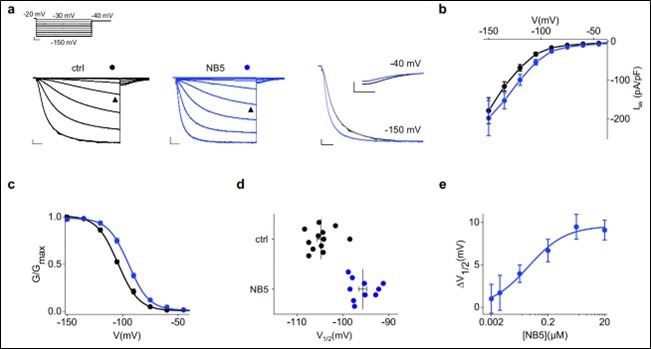
Figure 1. Functional impact of NB5 on rbHCN4
Core Properties and Mechanism of NB5
Functional Effect:
NB5 shifts the voltage-dependent activation curve of the HCN4 channel towards depolarization (rightward shift) by approximately 9-10 mV. This rightward shift leads to an increased channel open probability and enhanced pacemaker current within physiologically relevant membrane potential ranges. Its effect is additive with that of the endogenous agonist cAMP, indicating they act through independent pathways (see Figure 2).
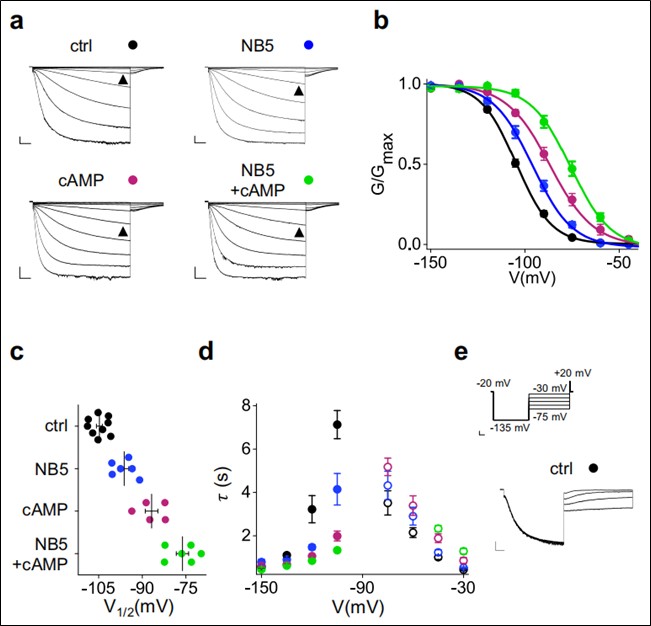
Figure 2. Effect of NB5 in the presence of cAMP
Target Site Identification (Key Finding):
Leveraging NB5's ability to activate human/rabbit HCN4 but not mouse HCN4, the binding site was pinpointed to the pore region S5-P-loop through sequence alignment.
Key residues: D448 and N456 (rabbit HCN4 numbering). These two residues are conserved in humans and rabbits but differ in mice.
Mutational Validation: Mutating D448 and/or N456 in rabbit HCN4 to the corresponding mouse amino acids significantly weakened or completely abolished the activating effect of NB5. Conversely, mutating the corresponding sites in mouse HCN4 to the human/rabbit amino acids conferred partial sensitivity to NB5.
Binding Site Location: Structural modeling shows these two residues are located in the extracellular "turret" region of the pore domain, fully exposed to the extracellular fluid, explaining how NB5 can act from outside the cell (see Figures 3, 4).
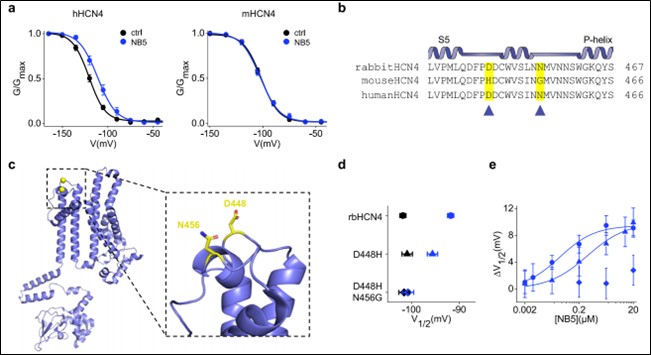
Figure 3. Identification of the NB5 binding site on rbHCN4
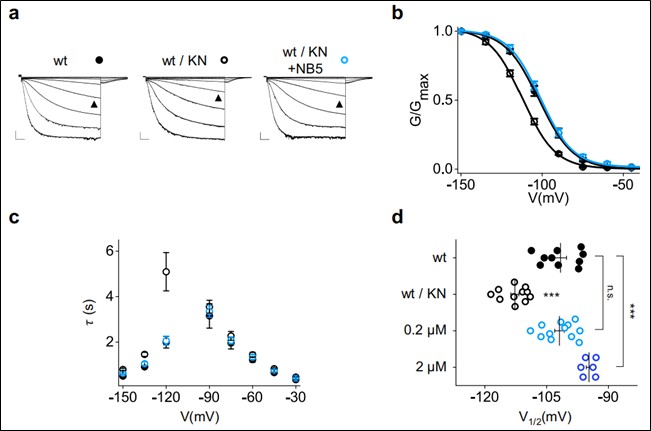
Figure 4. Effect of NB5 on the HCN4 pathogenic variant K531N
This study not only successfully developed the first extracellular activating nanobody, NB5, targeting HCN4 but also used it to discover a new pathway for regulating HCN channel function. NB5 demonstrated the potential to reverse low pacemaking function across multiple experimental levels (recombinant systems, native cells, human disease models), laying a solid foundation for developing next-generation biologics to treat symptomatic sinus bradycardia. Simultaneously, this work provides a paradigm for using nanobodies as tools to explore the complex gating mechanisms of ion channels.
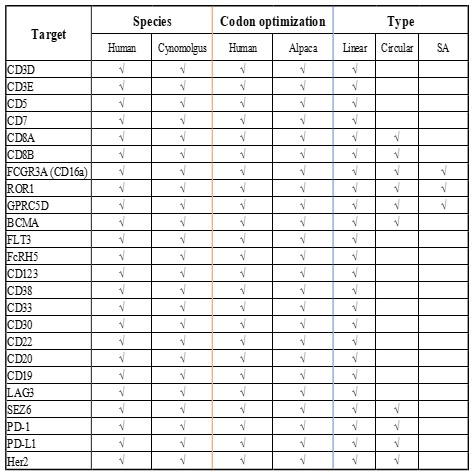
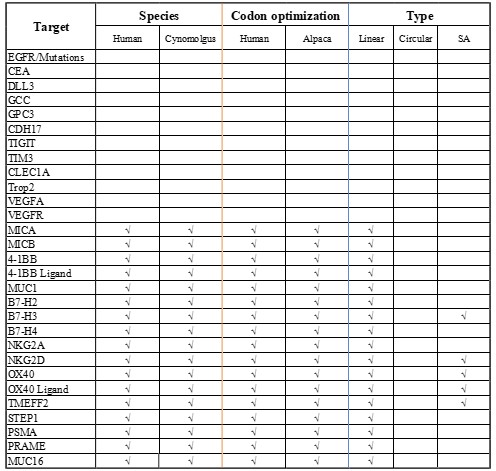
The NB5 nanobody in this study was obtained by screening a synthetic library, but antibodies from such libraries often lack high stability. When screening immune libraries, one major difficulty in antibody discovery for ion channel proteins is the challenge of preparing protein antigens, and cellular antigens often have high background noise. Therefore, RNA can be used as an immunogen. Wuhan Nabi Life offers off-the-shelf RNA antigens, specifically codon-optimized and RNA secondary structure-optimized for Alpaca applications to achieve better immunization effects in alpacas, helping clients quickly initiate immunization processes. For membrane proteins and various channel proteins, they provide more immunogen preparation solutions.
Here is the off-the-shelf RNA antigen list provided by Wuhan NanoBody Life Science and Technology Co. Ltd. (NBLST):
Wuhan NanoBody Life Science and Technology Co. Ltd. (NBLST) is a nanobody industry platform established under the initiative of the Wuhan Industrial Innovation and Development Research Institute. Its headquarters is located in the main building of the Wuhan Industrial Innovation and Development Research Institute in the East Lake High-tech Development Zone, Wuhan. It boasts a 1400 m² independent laboratory in the Precision Medicine Industrial Base of Wuhan Biolake. Additionally, NBLST has established alpaca experimental and transfer bases in Zuoling, Wuhan, and Tuanfeng, Huanggang, both compliant with laboratory animal standards. These bases currently house over 600 alpacas, providing "zero-immunization-background" guaranteed alpaca immunization services for research institutions and antibody drug development companies.
NBLST focuses on the development, engineering, and application of nanobodies, and is dedicated to building an integrated public experimental service platform for production, education, and research. It possesses a full-chain technology platform encompassing antigen preparation (peptides, proteins, and RNA), antibody discovery and engineering, through to biological function validation/screening. The RNA antigens include RNA structurally and sequentially optimized for alpacas. Antibody discovery and engineering services employ multiple technological routes, including phage display, RNA, and mammalian cell display. Through cross-complementation of multiple platforms, it provides flexible antibody discovery and engineering services for pharmaceutical companies and research institutes, facilitating the development of drug reagents.
In addition to its natural nanobody library, NBLST also offers an off-the-shelf immunized library to help clients quickly screen for antibody molecules that meet their needs.
If you require our services, please feel free to contact us via email: marketingdept@nanobodylife.com