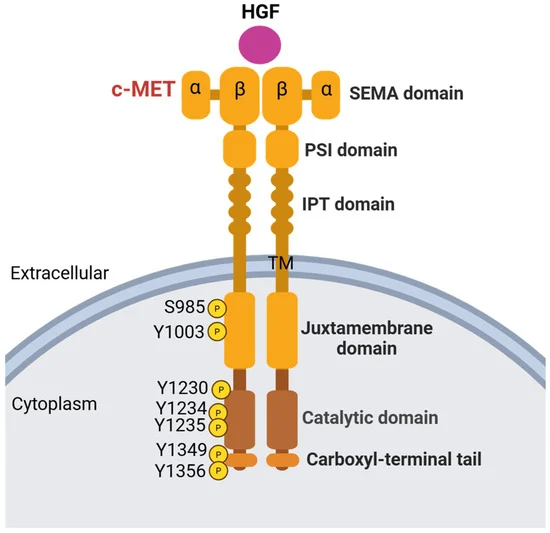
Fig 1: Structure and Functional Domains of c-MET/HGFR [1]
Core Application Areas of the c-MET Target
Based on the mechanism of action of the c-MET target, its current core application areas for targeted therapy are in oncology treatment and diagnostics. Some research has expanded its potential to areas like cardiovascular diseases and inflammatory myocarditis, though these remain in the basic research stage.
Within the field of oncology treatment, its core applications cover non-small cell lung cancer (NSCLC), hepatocellular carcinoma, gastric cancer, colorectal cancer, glioblastoma, among others. It is compatible with various technological approaches including single-target inhibitors, bispecific antibodies, Antibody-Drug Conjugates (ADCs), and PROTACs, and is also used to overcome EGFR-TKI resistance. In cancer diagnostics, it is commonly used for screening patients with MET abnormalities. For example, PET probes enable in vivo imaging of MET expression, aiding in patient stratification and guiding treatment decisions and efficacy monitoring.
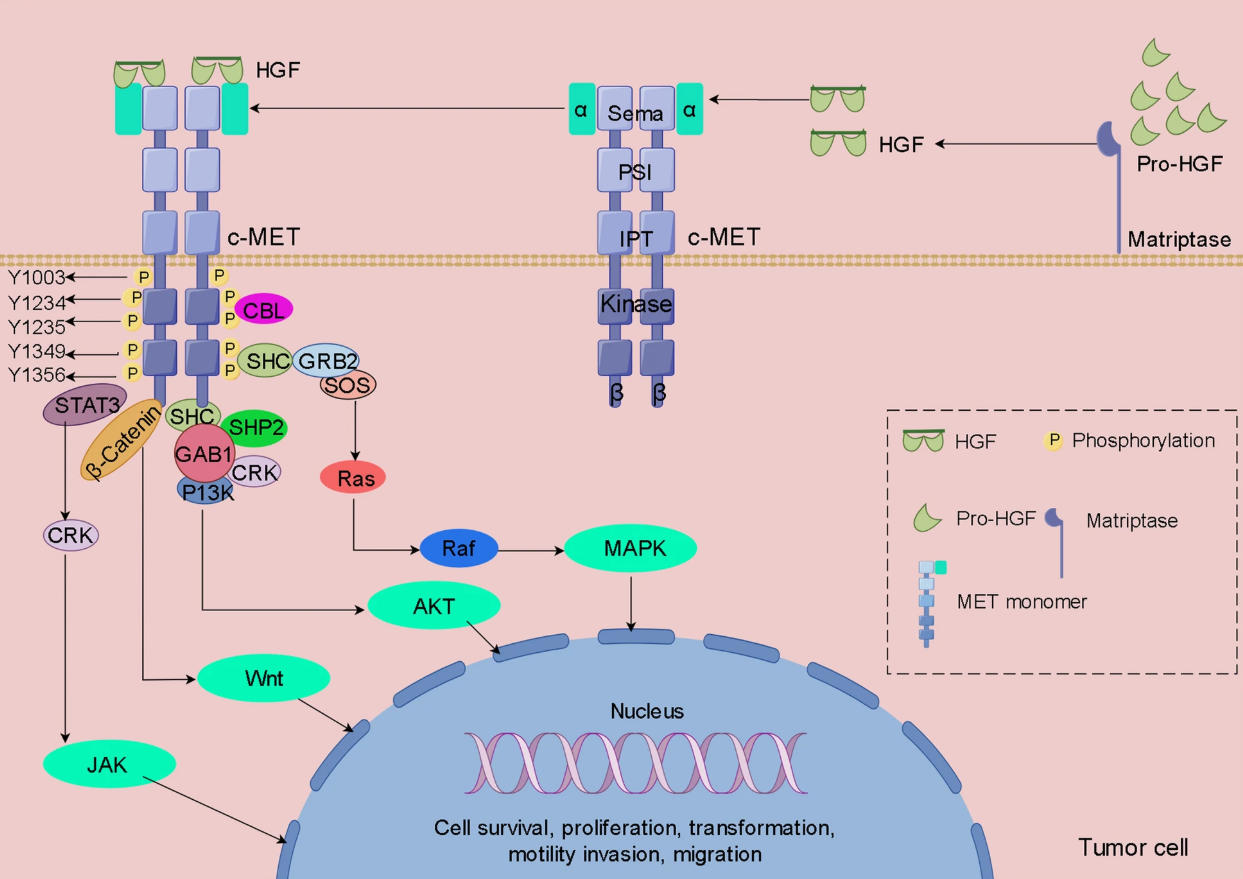
Fig 2:Signaling Network of c-MET/HGFR [2]
Current Status and Latest Advances in c-MET Drug Development
Currently, c-MET targeted drug research globally is concentrated in the field of oncology. Research on c-MET targeted drugs for non-oncological diseases is extremely limited, and there are almost no drug development cases that have entered the clinical stage. As a key target clinically validated in oncology, c-MET holds significant importance, particularly in the treatment of non-small cell lung cancer and in overcoming drug resistance. It is reported that there are over 200 c-MET pipelines under development globally, covering various technological forms including small molecules, mono-/bi-/multi-specific antibodies, and ADCs.
There are a total of six approved c-MET/HGFR drugs, primarily small molecule inhibitors, followed by bispecific antibodies and ADC drugs. The mechanisms of action for c-MET/HGFR investigational drugs in late-stage clinical development are fundamentally similar to those of the approved drugs.
- Selective Small Molecule Inhibitors (TKIs): Tepotinib, Capmatinib, Savolitinib, Glumetinib, and Bozitinib.
The core mechanism of these drugs is to competitively block the binding of c-MET to ATP, inhibiting receptor dimerization and autophosphorylation, thereby blocking pro-tumor pathways such as PI3K/AKT and RAS/MAPK. They also induce lysosomal degradation of abnormal c-MET receptors, reducing the level of functional receptors on the cell membrane. They precisely inhibit tumors with MET exon 14 skipping mutations, amplification, or overexpression, and generally have a favorable safety profile. Key differences include: Tepotinib and Bozitinib can penetrate the blood-brain barrier, making them suitable for patients with brain metastases; Savolitinib has stronger targeted activity against tumors with MET amplification/overexpression and exhibits prominent anti-angiogenic effects.
- EGFR/c-MET Bispecific Antibody: Amivantamab.
Amivantamab is a fully human IgG1 bispecific antibody targeting EGFR and c-MET. It works through a triple synergistic mechanism of "signal blockade + receptor degradation + immune killing." Its two arms bind to the extracellular domains of EGFR and c-MET respectively, blocking ligand binding and receptor activation, inhibiting both pathways and overcoming MET-mediated EGFR-TKI resistance. It induces internalization and degradation of the heterodimeric receptor complex, reducing membrane receptor density. Its Fc segment activates immune effects such as Antibody-Dependent Cellular Cytotoxicity (ADCC) by NK cells and Antibody-Dependent Cellular Phagocytosis (ADCP) by macrophages, achieving synergistic targeted and immune-mediated killing.
- c-MET ADC Drug: Telisotuzumab Vedotin (Emrelis).
As the world's first approved c-MET ADC drug, Telisotuzumab Vedotin consists of an anti-c-MET monoclonal antibody, a cleavable linker, and the payload MMAE. After the antibody targets and binds to c-MET, the complex is internalized into the cell. In the lysosomal environment, the linker is cleaved, releasing MMAE. MMAE disrupts microtubule balance, blocks cell division, and induces apoptosis in c-MET high-expressing tumor cells, achieving precise killing and reducing off-target toxicity.
Advantages of Nanobodies in c-MET Antibody Drug Development
Currently, the nanobody technological pathway in c-MET/HGFR targeted drug development remains in the early exploratory stage. However, due to their unique advantages—such as stronger tissue penetration and lesion accessibility, superior internalization efficiency and targeted delivery capability, more flexible molecular engineering and multi-target construction potential, higher production efficiency and cost benefits, and more stable physicochemical properties—nanobodies are considered by researchers to have high application value.
For example, Zhejiang Keyi Pharmaceutical has disclosed in a patent application a class of c-MET-specific nanobodies and Nanobody-Drug Conjugates (NADCs) constructed based on these nanobodies. The patent literature indicates that their nanobodies feature small molecular weight, fast tumor tissue penetration, and high internalization activity. Compared to traditional drugs, they can more efficiently deliver cytotoxic payloads into c-MET-positive tumor cells, providing a new targeted delivery strategy for c-MET-related cancer therapy. Additionally, Beijing NeoX Biotech pioneered the world's first EGFR×c-MET bispecific nanobody-drug conjugate, HNXV11. This drug was constructed by screening EGFR and c-MET nanobodies from an immune library, then heterodimerizing them to form a bispecific nanobody containing an Fc segment. It employs a structural design of bispecific nanobody + cleavable linker + cytotoxic payload (MMAE or DXD) to form the NADC. In vitro experiments showed that HNXV11 has binding affinities of 2.94 nM and 14.8 nM for the extracellular domains of c-MET and EGFR, respectively, and can potently inhibit the phosphorylation of both c-MET and EGFR. In H1975 non-small cell lung cancer models harboring EGFR mutations and wild-type c-MET, both HNXV11-MMAE and HNXV11-DXD demonstrated potent anti-tumor activity without significant toxicity such as body weight loss. Furthermore, HNXV11 exhibited superior antibody-dependent cellular cytotoxicity effects compared to Amivantamab analogs in cell lines like H1975 and KYSE70, along with excellent internalization activity.
Research confirms that compared to traditional c-MET targeted drug technologies, the unique advantages of nanobodies provide unparalleled benefits in the drug development of many antibody-based therapeutics. Their penetration capability allows them to more easily reach deep parts of solid tumors and brain lesions, precisely addressing the shortcomings of traditional drugs such as insufficient targeting and low delivery efficiency. Simultaneously, the stable structure and flexible engineering of nanobodies result in lower production costs.
NBLST's pDual phage display technology builds upon the efficient development of traditional phage display, seamlessly connecting to efficient mammalian cell production, greatly improving the efficiency of screening out problematic molecules. The NabLib® mammalian cell display technology not only enhances the developability of selected molecules but also allows flexible selection of antibody screening formats, providing better support for downstream antibody molecule application and testing.