


Why Has PD-L1 Become a "Star Target" in Immunotherapy ?
Structure: PD-L1 is an immunoglobulin superfamily transmembrane glycoprotein, and its core structure is divided into three parts: the extracellular IgV-like domain (the key region binding to PD-1 on the T cell surface), the IgC-like domain (maintaining protein conformational stability); the transmembrane region (maintaining the correct localization and orientation of PD-L1 on the cell membrane); the intracellular short tail region (mainly involved in protein internalization and turnover, and does not directly transmit immune suppression signals) (see Figure 1).
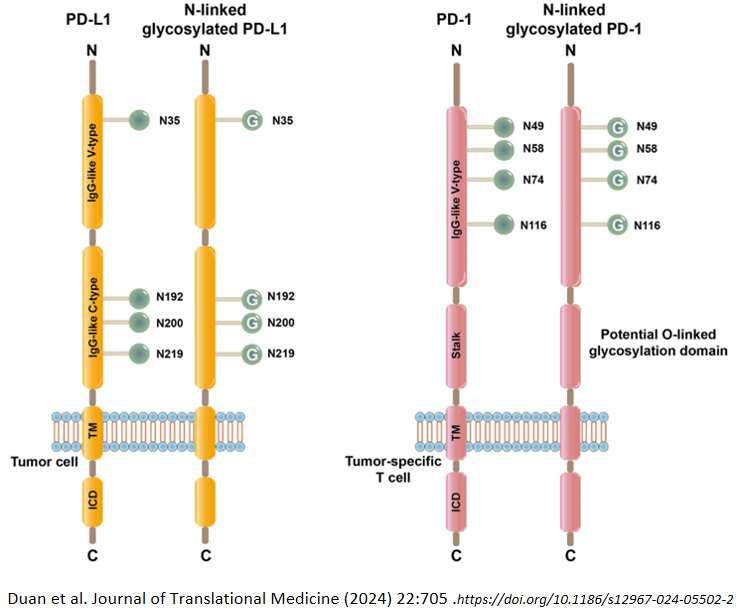
Figure 1 Schematic diagram of PD-L1 structure[1]
https://pubmed.ncbi.nlm.nih.gov/39080767/
Mechanism of Action: Under normal physiological conditions, PD-L1 is lowly expressed on immune cells (macrophages, dendritic cells) and epithelial cells, and its core function is to maintain immune homeostasis of the body; while tumor cells can abnormally overexpress PD-L1 through IFN-γ induction, gene mutation and other pathways. After binding to PD-1 on the T cell surface, it initiates inhibitory signals, leading to T cell exhaustion and immune escape (see Figure 2).
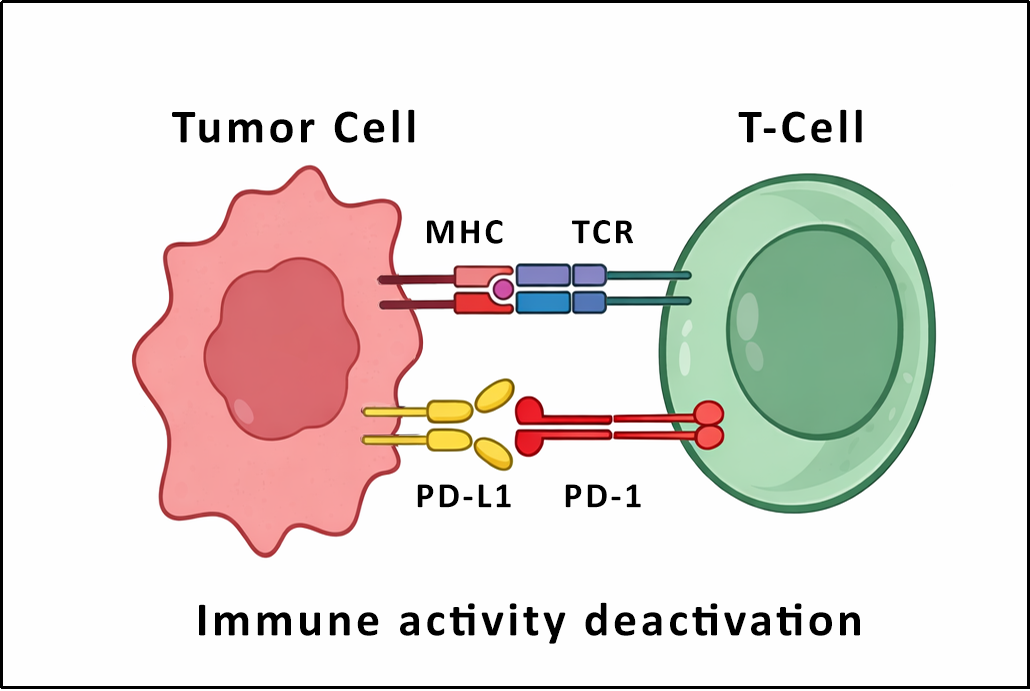
Figure 2 Mechanism of PD-L1-mediated immune escape
Research Fields
Drug Pipeline
HLX-43: A novel antibody-drug conjugate (ADC) developed by Henlius Biotech, has become a potential candidate drug in the global tumor treatment field with its dual mechanism of action of "immune checkpoint blockade + cytotoxic killing". It has unique advantages especially in overcoming PD-1/PD-L1 inhibitor resistance and covering a wide range of tumor populations. Recently, Phase II clinical data in the treatment of recurrent/metastatic esophageal squamous cell carcinoma has been released. In addition, the drug has been granted orphan drug designation for thymic epithelial tumors (TETs) by the US FDA, and multiple clinical studies are advancing in various parts of the world.
Retlirafusp alfa Injection: Developed by Hengrui Medicine, Retlirafusp alfa is the world's first approved PD-L1/TGF-β bispecific antibody fusion protein. It was officially approved for marketing on January 16, 2026. Its indication is to be combined with fluoropyrimidine and platinum-based drugs for the first-line treatment of locally advanced unresectable, recurrent or metastatic gastric and gastroesophageal junction adenocarcinoma with PD-L1 positive (CPS≥1). It can simultaneously block the PD-L1 immune suppression and TGF-β tumor microenvironment suppression pathways, reshaping the pattern of precise immunotherapy for gastric cancer.
ABSK043: An oral small-molecule PD-L1 inhibitor developed by Hutchison MediPharma, announced the preliminary results of its Phase II clinical trial in combination with furmonertinib (a third-generation EGFR-TKI) for the treatment of NSCLC (non-small cell lung cancer) at the 2025 ESMO Asia Congress. The results showed that this "targeted-immune combination" regimen has good safety and tolerability. The regulatory authorities have agreed to carry out a study on its first-line treatment for treatment-naive EGFR-mutated and PD-L1-positive NSCLC patients, which is expected to fill the clinical gap of oral PD-L1 inhibitors.
Advantages of Nanobodies in PD-L1 drug R&D
References:
[1] Duan Z, Shi R, Gao B, Cai J. N-linked glycosylation of PD-L1/PD-1: an emerging target for cancer diagnosis and treatment. J Transl Med. 2024 Jul 30;22(1):705.
[2] Zhao, Q., Li, C., Zhang, M. et al. Tumor PD-L1 induces β2m ubiquitylation and degradation for cancer cell immune evasion. Cell Res 36, 38–50 (2026).
[3] Jean-Baptiste Marchand, Elodie Pintado, Marshall Dunlop, Christelle Remy, Patricia Kleinpeter, Shirley Shön, Fend Laetitia, Renée Brandely, Delphine Suhner, Eline Winter, Nathalie Silvestre, Claire Huguet, Peter Fitzgerald, Eric Quéméneur. Selection of an optimal anti-PD-L1 single domain antibody format for the vectorization into oncolytic vaccinia virus and the generation of bispecific immunomodulators. Cancer Res 2023;83(7_Suppl):Abstract nr 1885.
[4] Remy C, Pintado E, Dunlop M, Schön S, Kleinpeter P, Rozanes H, Fend L, Brandely R, Geist M, Suhner D, Winter E, Silvestre N, Huguet C, Fitzgerald P, Quéméneur E, Marchand JB. Design and selection of anti-PD-L1 single-domain antibody and tumor necrosis factor superfamily ligands for an optimal vectorization in an oncolytic virus. Front Bioeng Biotechnol. 2023 Nov 15;11:1247802.
NabBio has the pDual improved bifunctional phage display technology of the NabLib® platform, which can seamlessly connect with high-efficiency production in mammalian cells on the basis of the efficient development of traditional phage display, greatly improving the efficiency of screening out problematic molecules; while the NabLib® mammalian cell display technology can not only enhance the developability of screened molecules, but also flexibly select the screening configuration of antibodies, providing better guarantee for the application and detection of downstream antibody molecules.
Wuhan NabBio Technology Co., Ltd. is a nanobody industry platform established under the leadership of Wuhan Institute of Industrial Innovation and Development. Its headquarters is located in the main building of Wuhan Institute of Industrial Innovation and Development in Wuhan East Lake New Technology Development Zone. It has an independent laboratory covering an area of 1400㎡ in the Precision Medicine Industrial Base of Wuhan Biolake. It has also established alpaca experimental bases and transportation bases that meet the standards of experimental animals in Zuoling, Wuhan and Tuanfeng, Huanggang respectively. Currently, there are more than 200 alpacas raised in the bases, which can provide alpaca immunization services with "zero immune background" guarantee for scientific research institutions and antibody drug R&D enterprises.
NabBio focuses on the development, modification and application of nanobodies, and is committed to building an integrated industry-university-research experimental public service platform. It currently has a full-link technology platform from antigen preparation (peptides, proteins and RNA) to antibody discovery and antibody engineering, and then to biological function verification/screening. Among them, RNA antigens include RNAs optimized for alpaca RNA structure and sequence; antibody discovery and antibody engineering services adopt multiple technical routes including phage display, RNA and mammalian cell display. Through the cross-complementation of multiple platforms, it provides flexible antibody discovery and modification services for pharmaceutical enterprises and scientific research institutes, and assists in the R&D of drug reagents.