









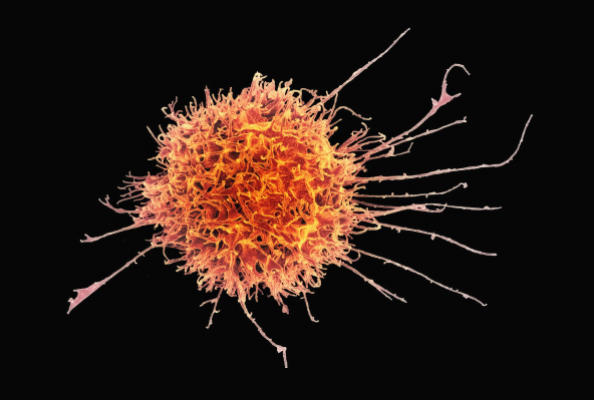
CD7是一种跨膜糖蛋白,主要表达于T细胞、NK细胞及其前体细胞表面,尤其在T细胞急性淋巴细胞白血病(T-ALL)、淋巴瘤等血液肿瘤中高表达。作为免疫球蛋白超家族成员,CD7参与T细胞活化、黏附和信号转导,在淋巴细胞发育及免疫应答中发挥重要作用,是T细胞恶性肿瘤的重要标志物。由于其表达特异性和在病理状态下的持续存在,CD7已成为开发新型免疫治疗策略的理想靶点。
CD7 is a transmembrane glycoprotein primarily expressed on the surface of T cells, NK cells, and their precursor cells. It is highly expressed, especially in hematological tumors such as T-cell acute lymphoblastic leukemia (T-ALL) and lymphoma. As a member of the immunoglobulin superfamily, CD7 is involved in T cell activation, adhesion, and…
CD7 is a transmembrane glycoprotein primarily expressed on the surface of T cells, NK cells, and their precursor cells. It is highly expressed, especially in hematological tumors such as T-cell acute lymphoblastic leukemia (T-ALL) and lymphoma. As a member of the immunoglobulin superfamily, CD7 is involved in T cell activation, adhesion, and signal transduction, playing an important role in lymphocyte development and immune response. It is a significant marker for T-cell malignancies. Due to its specific expression and persistence in pathological states, CD7 has become an ideal target for developing novel immunotherapeutic strategies.
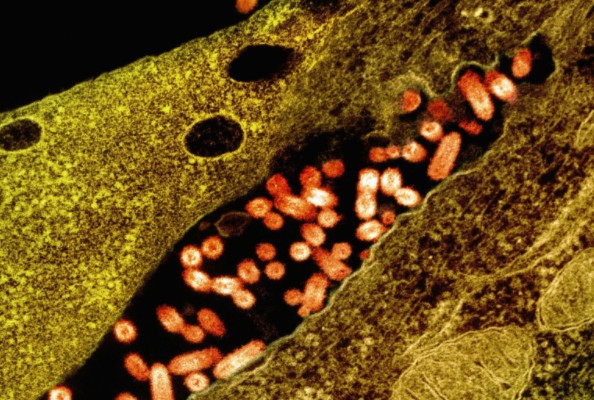
水泡性口炎病毒(VSV)是极具潜力的溶瘤病毒,可优先在干扰素通路缺陷的肿瘤细胞中复制并实现溶瘤效果,其糖蛋白(VSV-G)是慢病毒伪型最常用的包膜糖蛋白,被广泛用于基因治疗领域的研究。然而VSV-G的天然受体(LDL-R家族)在几乎所有细胞表面均有表达,导致VSV和伪型慢病毒缺乏靶向性,不仅会感染正常细胞引发脱靶毒性,还会降低体内精准治疗效果。已知VSV-G的K47和R354位点突变可完全消除其与LDL-R的结合,但保留融合活性,为改造VSV-G靶向性提供了可能。
Vesicular stomatitis virus (VSV) is a highly promising oncolytic virus capable of preferentially replicating in and lysing tumor cells with defective interferon signaling pathways. Its glycoprotein (VSV-G) is the most commonly used envelope glycoprotein for pseudotyping lentiviral vectors and is widely utilized in gene therapy research. However,…
Vesicular stomatitis virus (VSV) is a highly promising oncolytic virus capable of preferentially replicating in and lysing tumor cells with defective interferon signaling pathways. Its glycoprotein (VSV-G) is the most commonly used envelope glycoprotein for pseudotyping lentiviral vectors and is widely utilized in gene therapy research. However, the natural receptors of VSV-G (the LDL-R family) are expressed on the surface of nearly all cell types, leading to a lack of targeting specificity for both VSV and pseudotyped lentiviruses. This not only results in the infection of normal cells, causing off-target toxicity, but also reduces the efficacy of precise in vivo treatments. It is known that mutations at the K47 and R354 residues of VSV-G can completely abolish its binding to LDL-R while preserving its fusion activity, offering a potential strategy for engineering targeted VSV-G.
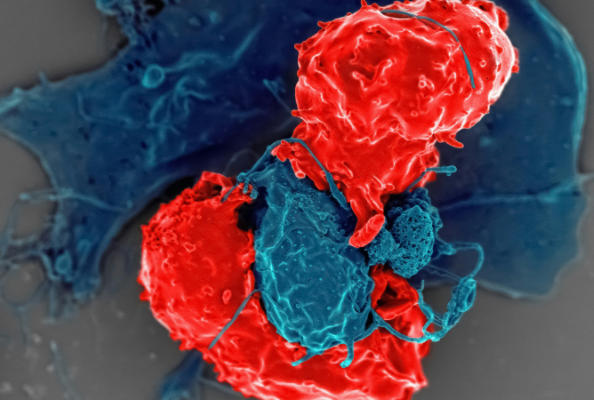
CD8是一种膜结合糖蛋白,广泛表达于细胞毒性T细胞(CD8+T细胞)、部分自然杀伤(NK)细胞及胸腺细胞发育阶段的特定群体上。它通常以α链和β链的异二聚体形式存在,作为T细胞受体(TCR)的共受体,与主要组织相容性复合体I类分子(MHC-I)结合,增强TCR与抗原肽-MHC复合物的亲和力,从而促进下游信号传导和T细胞激活。CD8在免疫应答中发挥关键作用,是机体清除病毒感染细胞和肿瘤细胞的重要效应分子之一。由于其在免疫调控中的核心地位,CD8成为肿瘤免疫治疗、免疫细胞研究及免疫调控机制探索中的重要靶点。